
For decades, the standard operation for grassroots Non-Governmental Organizations (NGOs) in Sri Lanka has been defined by a familiar pattern: identifying systemic violations, drafting project proposals, securing short-term foreign grants, and executing time-bound projects. However, as the global and local political landscapes shifted, the traditional aid-dependent model encountered a severe sustainability crisis. The gradual reduction of international funding streams and the closure of major donor programs such as key support systems from USAID exposed a critical vulnerability in human rights infrastructure. If vital protection services, legal aid for torture survivors, and marginalized community representation stop when a grant ends, then the foundation of civic defense is built on shifting sands.
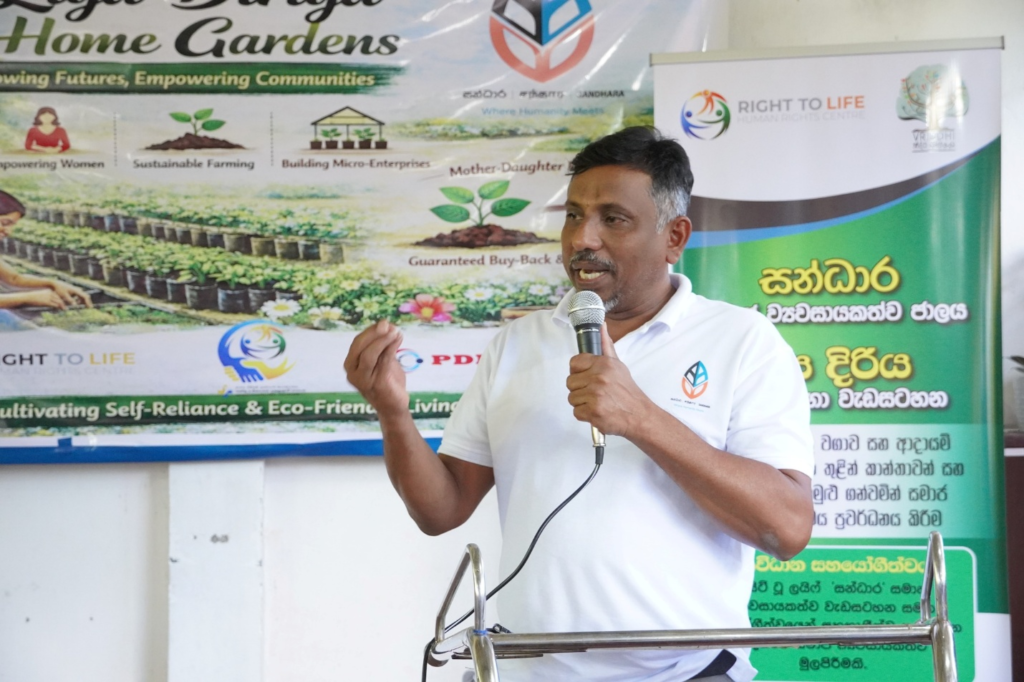
“Faced with this contracting civic space and funding volatility, we at the Right to Life Human Rights Centre (R2L) recognized that survival required a fundamental paradigm shift. Instead of continually asking, ‘Who will fund us?’ we pivoted toward self-sufficiency and started experimenting social entrepreneurship. The UNOPS-supported Sustaining Civic Resilience initiative helped us immensely in this effort,” said Philip Dissanayaka, Executive Director of the Right to Life Human Rights Centre.
This article documents the evolutionary journey of R2L and its network of Human Rights First Aid Centres (HRFACs) from traditional human rights advocacy to pioneering rights-linked social entrepreneurship.
The Theoretical Blueprint: Moving From “Aid” to “Enterprise”
Transitioning from activism to business operations required an intellectual and structural rewiring. Traditional business training emphasizes causation setting a static goal and gathering massive capital to execute it a method that frequently fails in resource-scarce environments. To overcome this, R2L adopted advanced entrepreneurial frameworks tailored for civil society, centered on two core pillars:
The “Bird-in-Hand” Principle (Effectuation): Instead of waiting for external capital, teams start directly with the assets they already possess: Who they are, what they know, and who they know. For human rights defenders, their deep community trust, institutional reputation, and existing workspace are highly valuable forms of social capital.
Social Bricolage: This is the creative art of utilizing immediate, overlooked, or discarded local resources to solve problems and construct new value. Rather than halting activities due to a lack of budget, a bricoleur re-imagines existing limitations as invitations to innovate turning idle office spaces into income-generating meeting rooms or leveraging traditional community knowledge for modern commerce.
By blending these concepts, R2L developed a hybrid organizational model. Placed in the “sweet spot” between non-profit charities and traditional commercial businesses, these entities deploy market-driven strategies to generate independent revenues. Crucially, unlike conventional businesses, 100% of the commercial surplus is directly reinvested to fuel the core mission of human rights documentation, legal referrals, and victim protection.
Mapping Grassroots Innovation Across Six Regional Hubs
This transformation could not be engineered from a desk in Colombo; it had to be built organically by regional human rights defenders who intimately understand local socio-economic realities. R2L deployed Participatory Opportunity Mapping workshops across priority districts to uncover culturally grounded, resource-aligned enterprise ideas owned fully by the community.
The localized strategies emerged across the six primary Human Rights and Social Enterprise Development Centres (HRSEDCs) and some efforts are as follows:
1. Anuradhapura District Citizens’ Committee
Operating in the North Central Province, this hub focused on reversing agricultural vulnerabilities and preserving heritage. The community prioritized the cultivation and commercial processing of organic traditional rice, ensuring fair premium pricing for smallholder farmers while improving soil ecology. Additionally, they mapped out market pathways for value-added traditional dehydrated vegetables, alongside handmade Pan (reed) and wooden crafts.
2. Puttalam HRSEDC
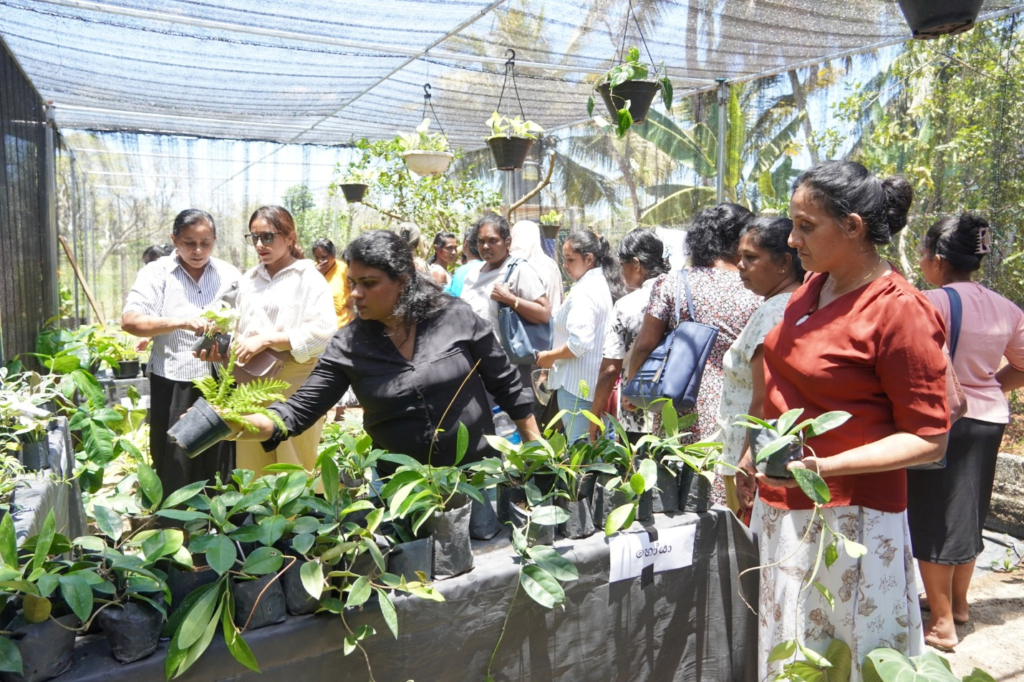
In the North Western Province, where rural communities combat harsh environmental and economic limitations, the focus shifted toward sustainable horticulture and value preservation. Puttalam established a centralized plant nursery network designed to scale up to 20 local beneficiary families, target domestic distribution channels, and process dehydrated agricultural goods to eliminate post-harvest waste.
3. Monaragala HRSEDC
Based in the Uva Province, the Monaragala team looked toward upgrading indigenous agricultural assets using modern technologies. They developed the ‘Uva Kurahan’ brand, elevate traditional finger millet into a high-quality product line, alongside the development of ‘Induwara Sweet Tamarind’ health goods and local herbal cosmetics.
In similar efforts, the Human Rights and Social Enterprise Development Centers in the Badulla, Nuwara Eliya, and Kegalle districts also mapped their opportunities in this same manner. During this process, the Sandhara social enterprise has become a highly significant brand. Currently, branches of the Sandhara social enterprise have also been established in Kotagala, Anuradhapura, and Kegalle.
Sandhara: The Capital Hub of the Social Enterprise
The pinnacle of this dual-focus framework is the launch of Sandhara, a centralized social enterprise process headquartered at R2L’s main facility in Colombo. Sandhara represents the physical and digital marketplace that links rural, marginalized grassroots producers directly with urban, socially conscious metropolitan consumers.
Sandhara functions as a multifaceted economic and civic space:
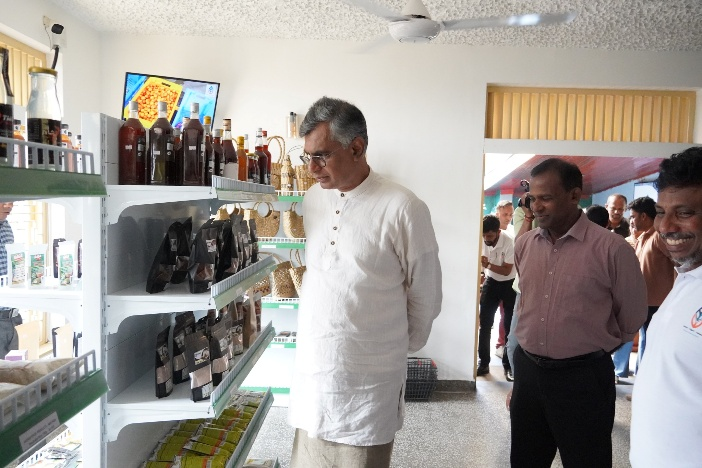
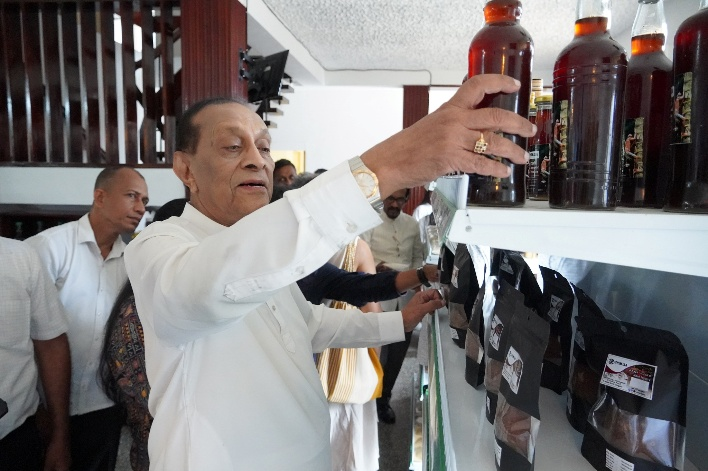
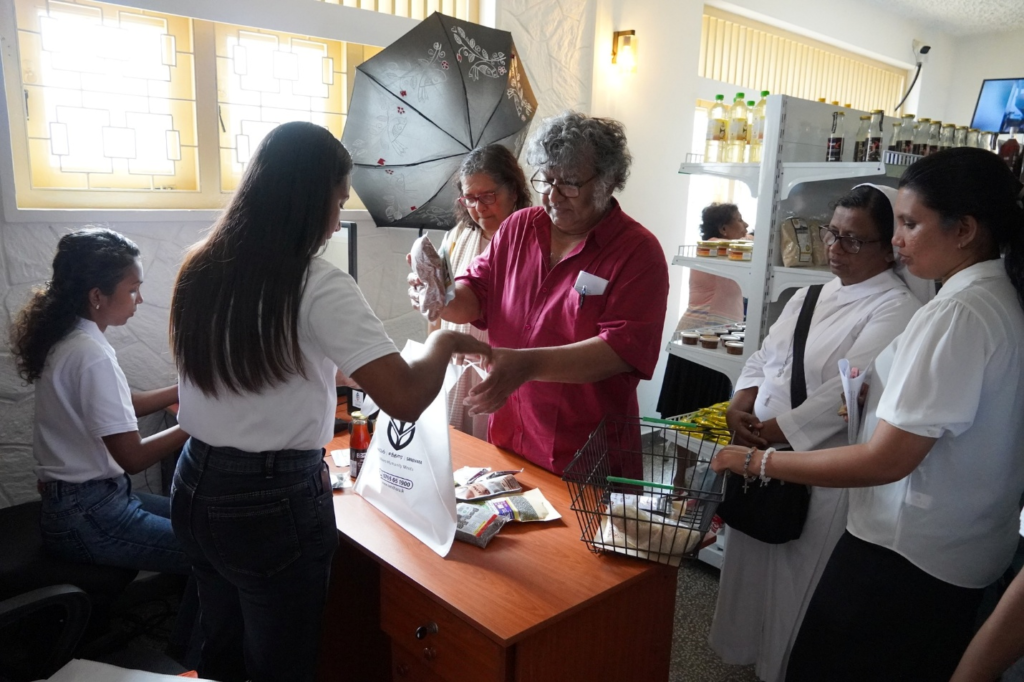
Ethical Retail Store: Every single item displayed on the shelves carries a narrative of human resilience, produced by micro-entrepreneurs, women-headed households, or survivors of violations.
Shared Workspace & Facilities: The venue offers professionally equipped rooms for small meetings, media briefings, and educational programs at affordable commercial rates. Sandhara also offers its mini studio for video recording podcasts and interviews.
Catering and Hospitality: The enterprise provides local food and beverage services for hosting events, diversifying its revenue streams.
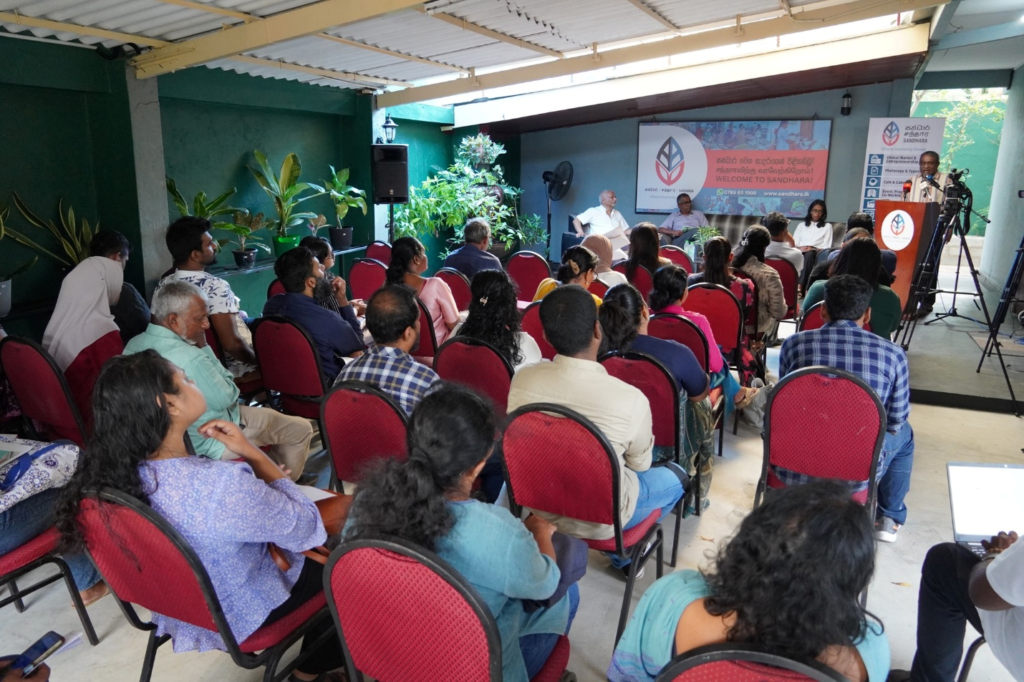
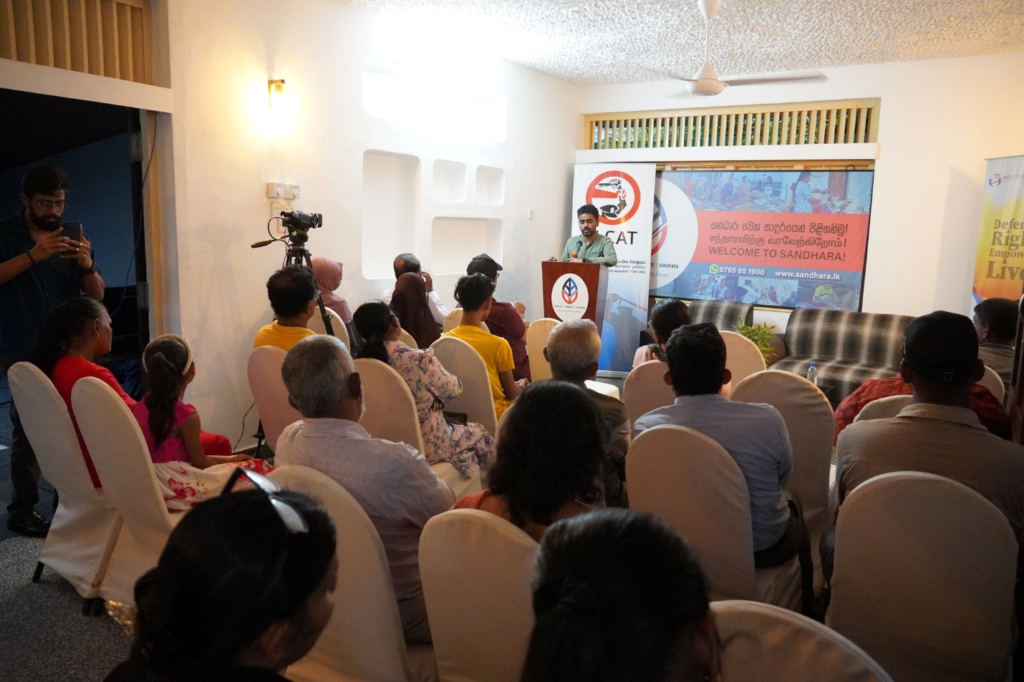
Civic Activation Space: Sandhara has successfully joined with a new Colombo Human Rights First Aid Centre desk and introduced the ‘Sandhara Sanvada’ (Sandhara Dialogues) public discussion series.
The Sandhara social enterprise is still evolving, continuously enriched by the experiences gained day by day. Without compromising on their core human rights work, the Right to Life Human Rights Centre, the Human Rights First Aid Centres, and human rights defenders are concurrently experimenting with social entrepreneurship.
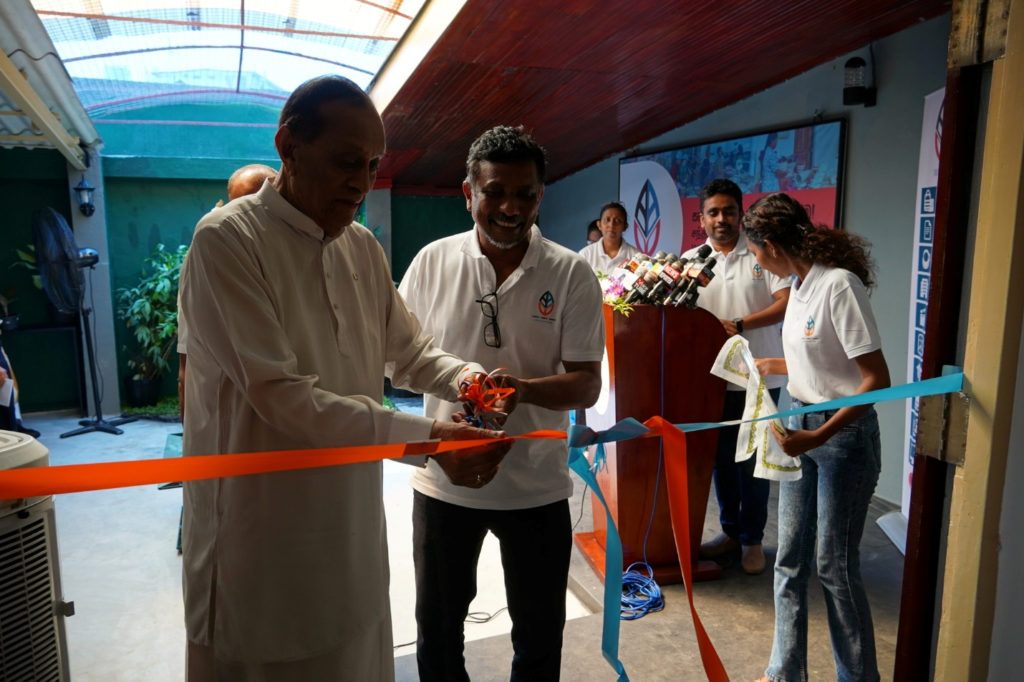
Sandhara Colombo Centre opening by Mr. Karu Jayasuriya, former Speaker of Parliament of Sri Lanka and the Chairman of the National Movement for Social Justice.
Sandhara retail outlet:
Sandhara Dialogue
Plant Exhibition and Sale in Anamaduwa
Sandhara at Anuradhapura
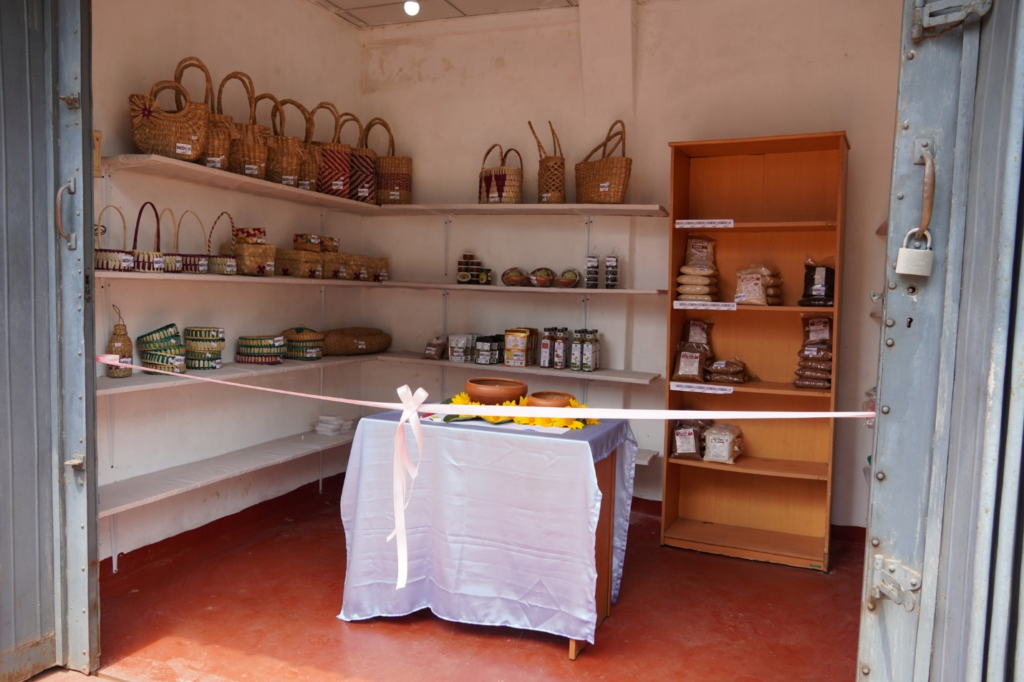
Sandhara at Kotagala
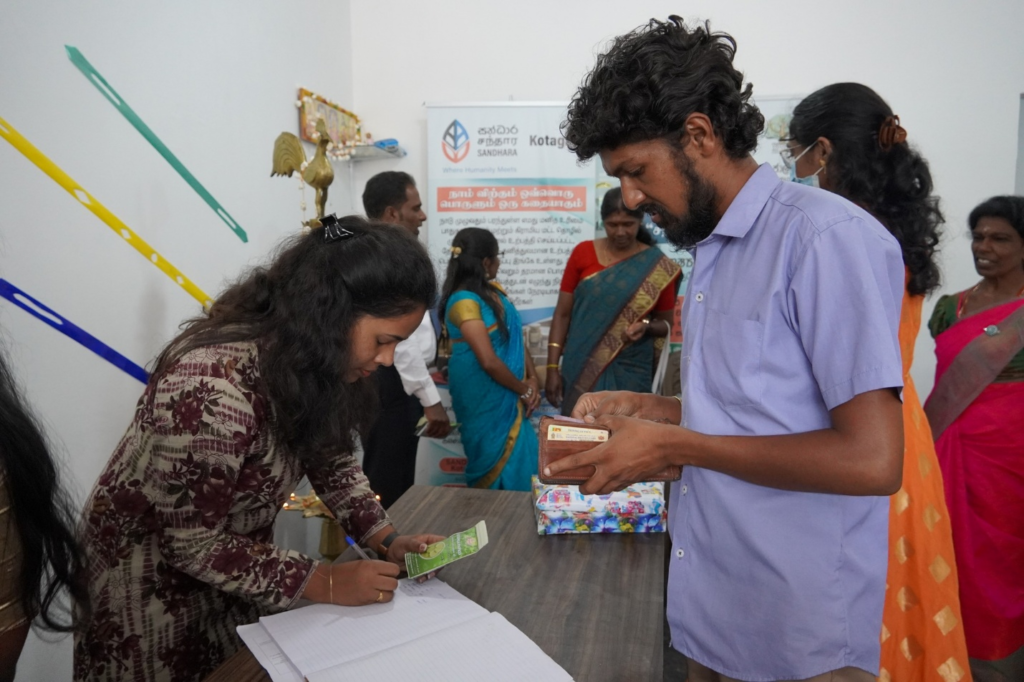
Sandhara at Kegalle
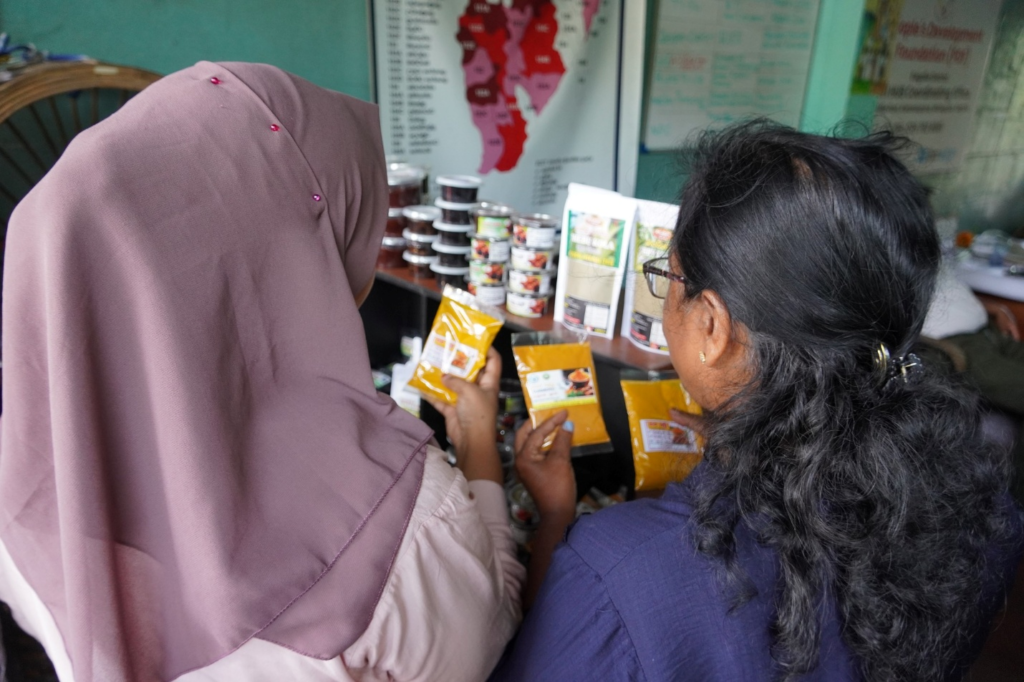
Navigating Challenges and Avoiding “Mission Drift”
Operating a business within a human rights center introduces unique institutional risks. During the training modules and pilot rollouts, coordinators confronted the very real danger of Mission Drift—the risk that an enterprise becomes so successful or time-consuming that staff focus entirely on commercial logistics and neglect documentation or legal aid for torture victims.
To mitigate this, R2L enforces The Mission Check Rule. Every month, management teams must collectively evaluate a guiding question: “Does this business activity directly serve and fund our human rights objectives, or has it become an operational obstacle?”. If an enterprise line fails to support or fund the human rights mission, it must be corrected.
A New Beginning for Civic Resistance
The operational launch of Sandhara is not the conclusion of a project; it is the first step onto a wide, unexplored path for civil society in Sri Lanka. From a purely commercial perspective, a brand-new social enterprise takes time to reach optimal profitability. Yet, from a social development perspective, the volume of community ownership, institutional resilience, and collective capital accumulated across these six provinces is already immense.
By proving that grassroots centers can generate independent income to sustain their own legal help desks and defense networks, R2L and its partners have designed an innovative blueprint for the future. True sustainability means ensuring that when external grants fade, the shield of justice remains firmly in place. Every transaction at Sandhara is no longer just a purchase—it is a direct investment in defending human dignity and safeguarding civic freedom across Sri Lanka.