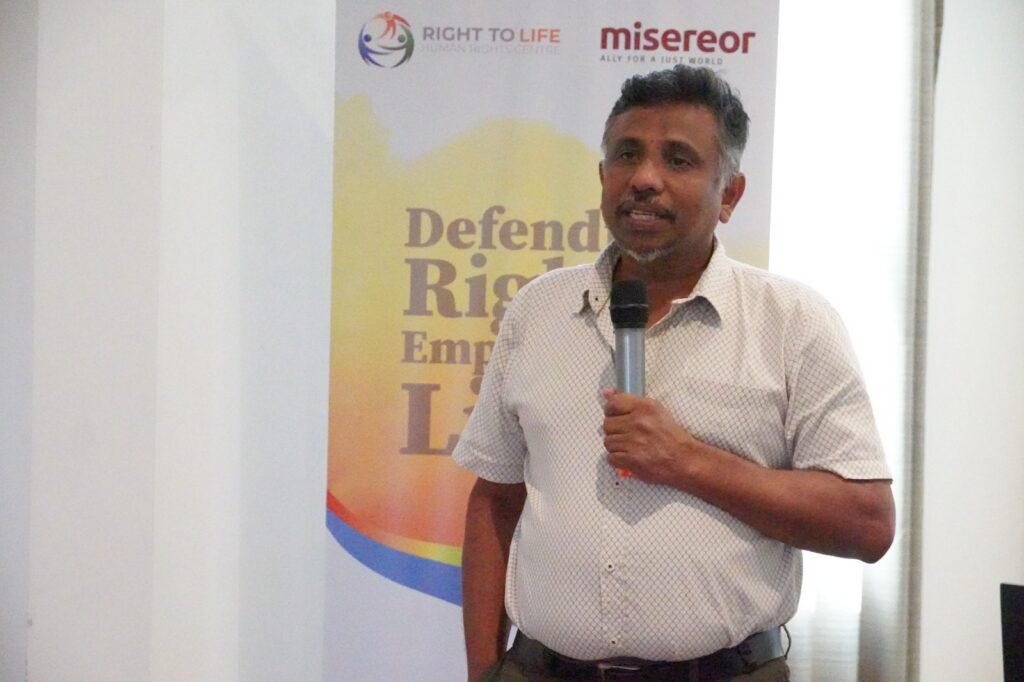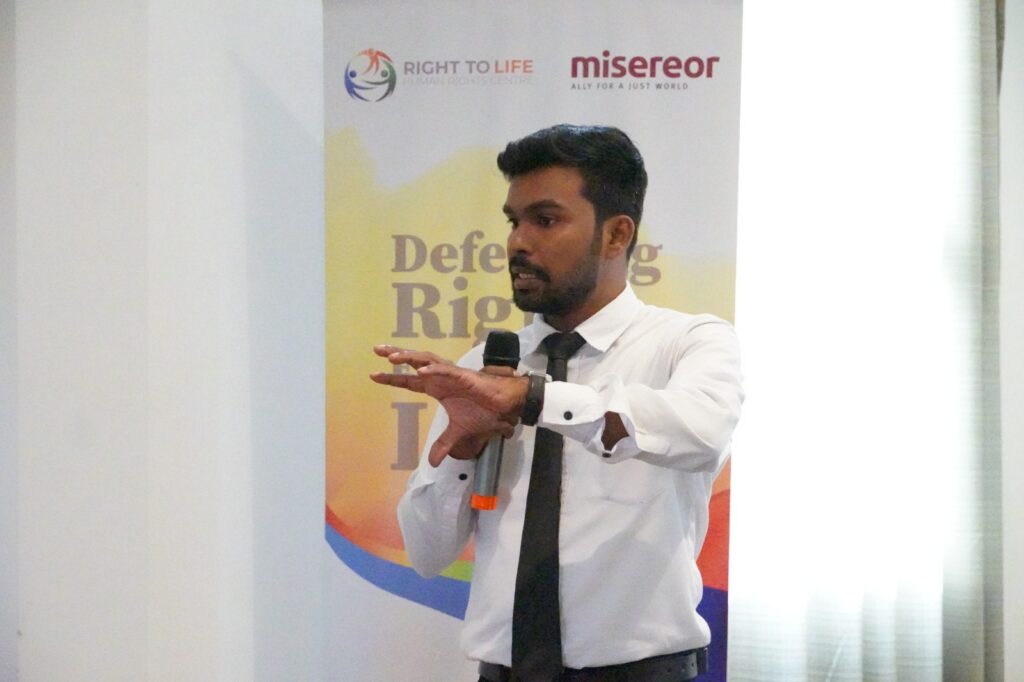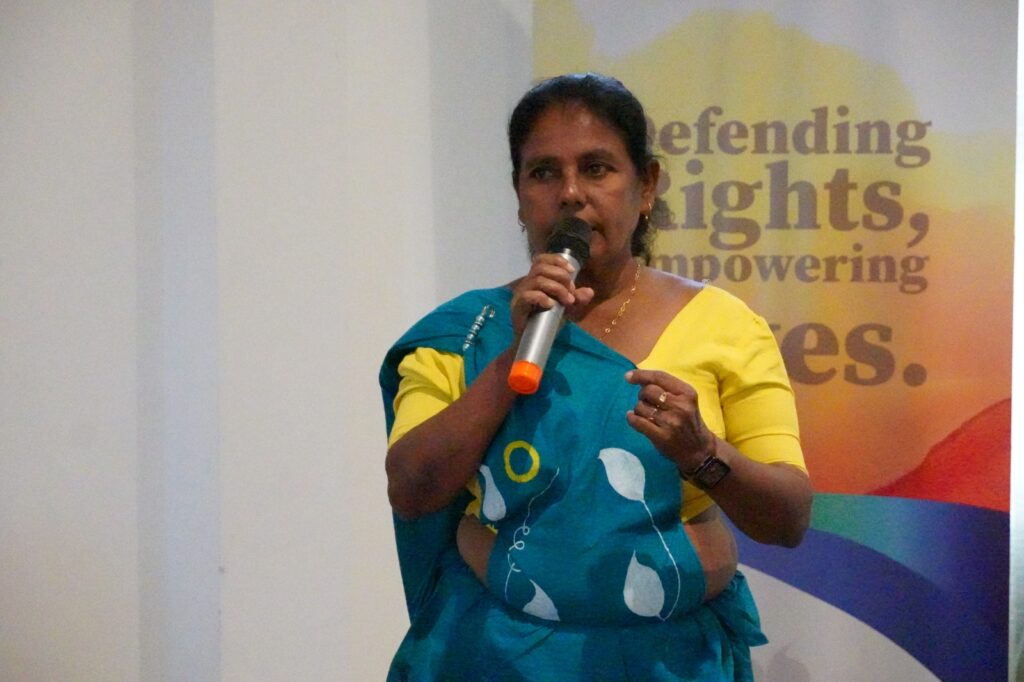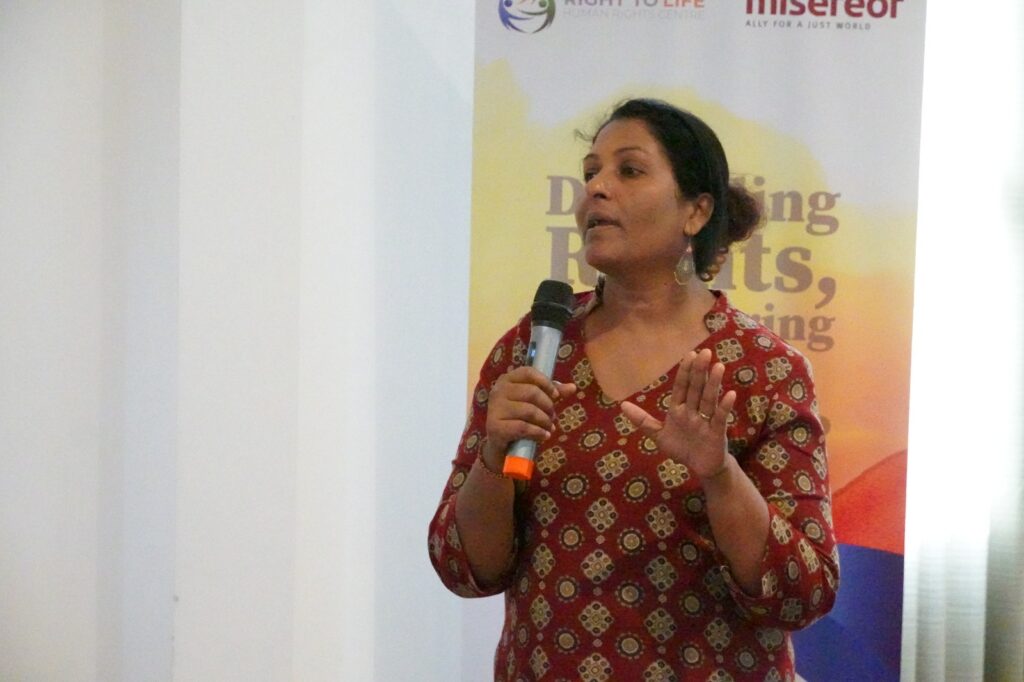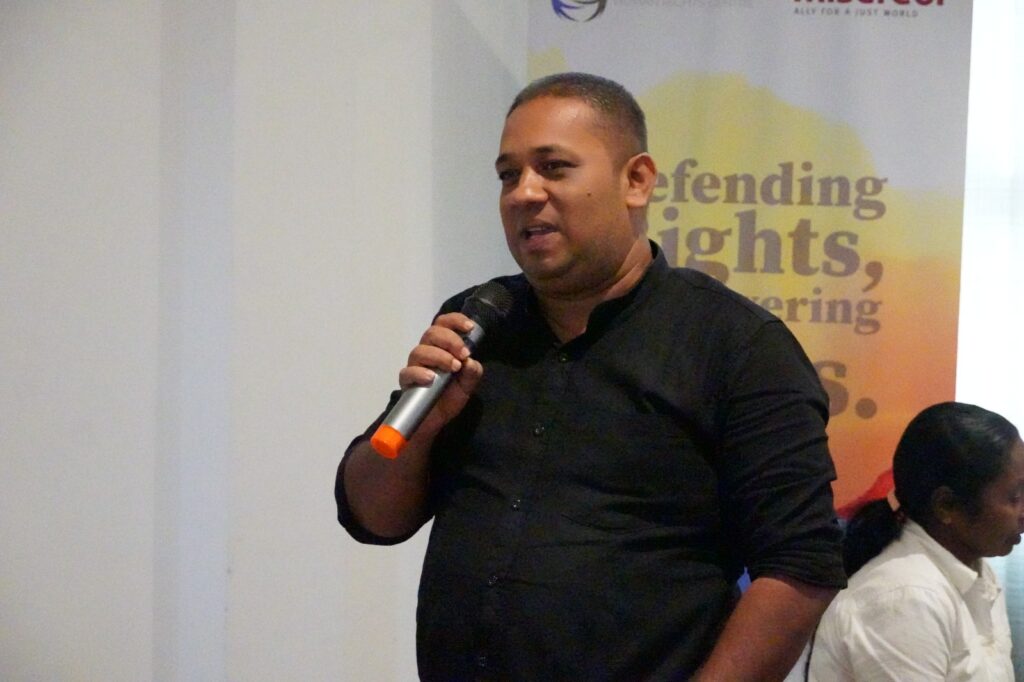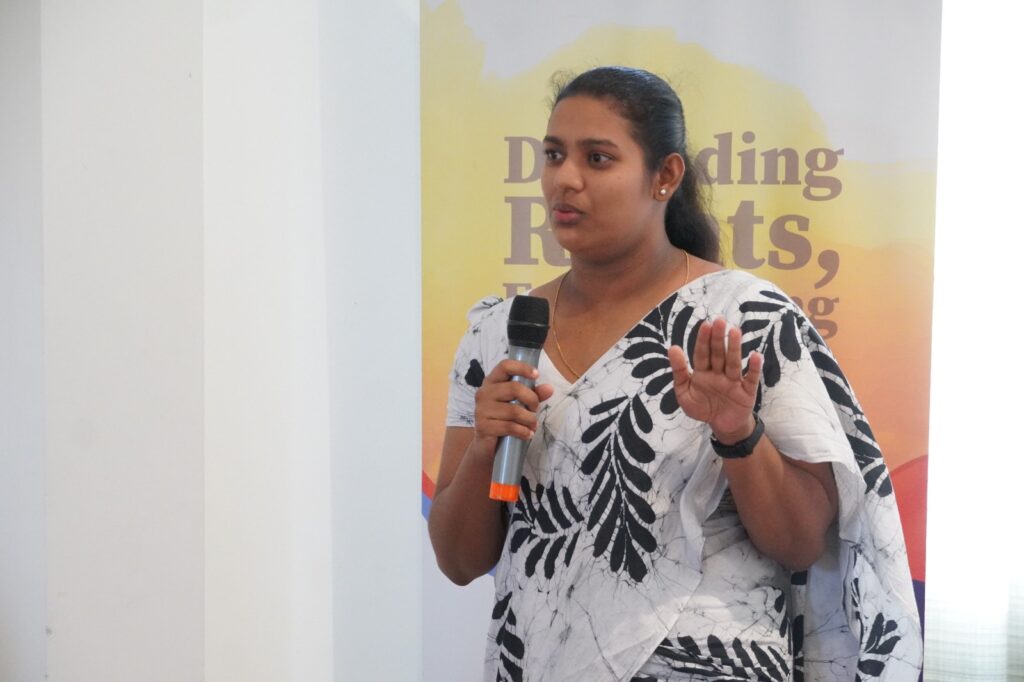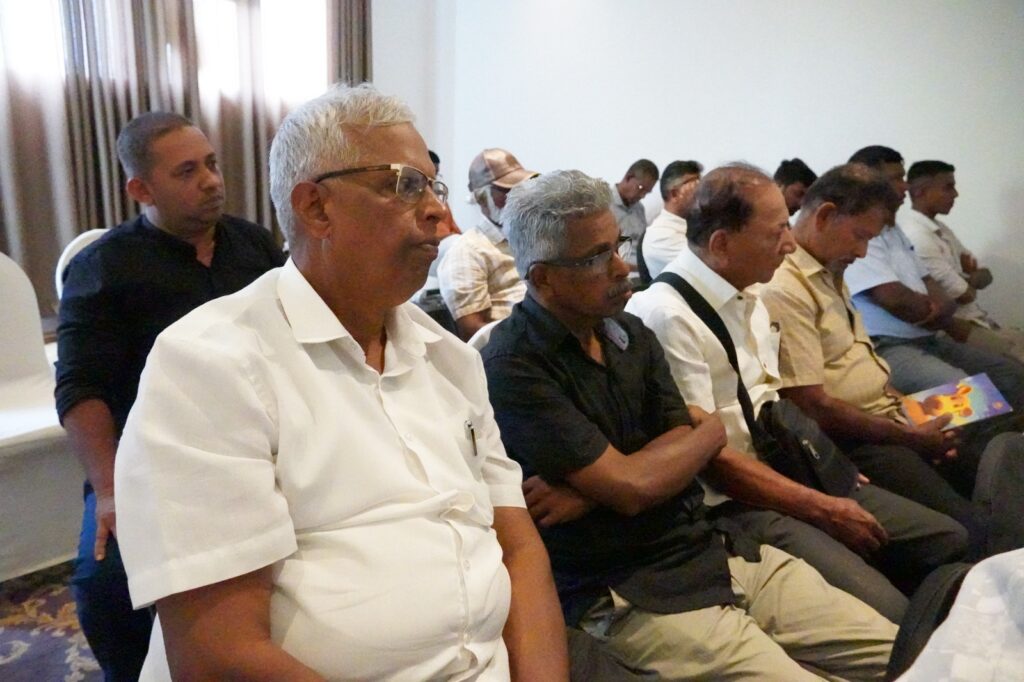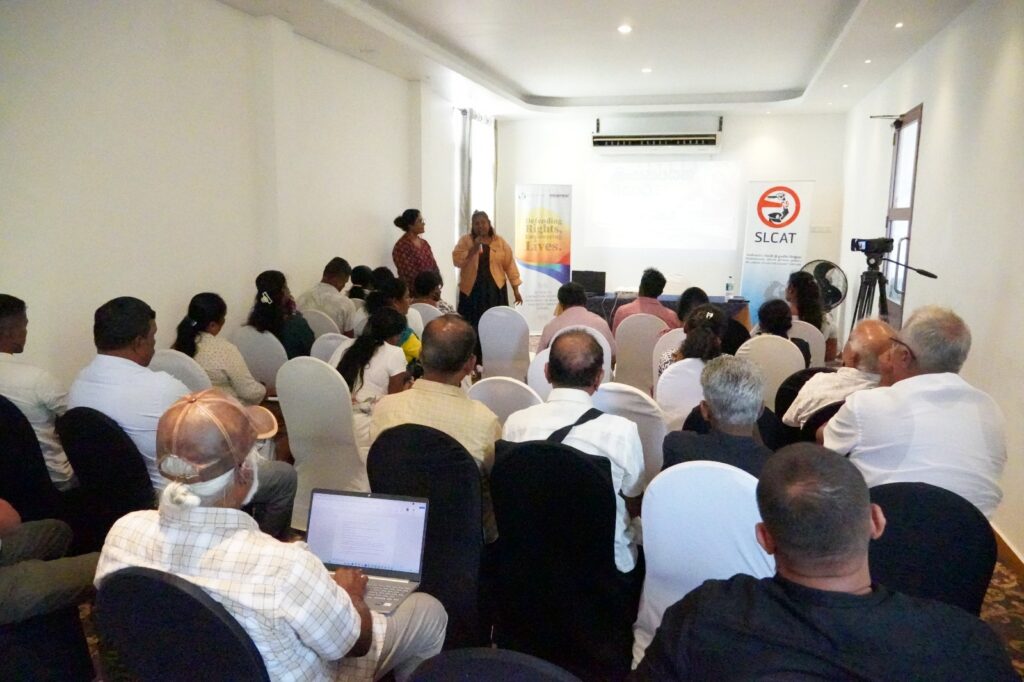
On June 26, 2026, human rights defenders, legal experts, and citizens gathered to observe the International Day in Support of Victims of Torture. The event brought together voices from the Human Rights First Aid Centre (HRFAC) in Anuradhapura, the Anuradhapura District Citizens’ Committee, and Right to Life (R2L) to shed light on the urgent need to combat police brutality, the misuse of legal frameworks, and the widespread issue of child abuse.
Here are the primary issues and paths forward discussed during the commemoration:
The Misuse of Law and Police Intimidation
A recurring theme throughout the event was the alarming weaponization of laws by law enforcement to intimidate citizens and bypass judicial oversight.
- Fabricated Charges: Victims from Oyamaduwa and Thambuttegama shared harrowing accounts of police retaliation, detailing how false drug charges—such as the fabricated possession of heroin—are used to unjustly remand individuals under Section 54.
- Bypassing Bail: Laws like Section 54, the Prevention of Terrorism Act (PTA), and the ICCPR Act are frequently misused to bypass a magistrate’s power to grant bail, leading to prolonged and inhumane periods of remand.
- Systemic Delays: R2L Executive Director Philip Dissanayake highlighted a 2009 study of 1,054 cases, which revealed that approximately 30% of cases were based on false charges. This practice significantly increases the caseload before magistrates and causes severe judicial delays leading to torture, cruel, inhuman and degrading treatments to the citizens.
- Retaliation Against Complaints: When the Human Rights Commission directs police to report on complaints, officers often threaten victims’ families with Section 54 charges to silence them.
The Silent Crisis of Child Abuse
Attorney-at-Law Shanika Kumarasinghe addressed the grim reality of child abuse in the country, emphasizing the urgent need for a social awakening. While Sri Lanka possesses a robust legal framework to protect children, implementation remains critically weak.
- Widespread Abuse: Children in Sri Lanka face abuse on a mass scale, and the National Child Protection Authority (NCPA) is currently struggling against a staggering backlog of over 40,000 cases.
- Vulnerability and Neglect: Poverty and parental neglect are significant drivers of child sexual exploitation, which ultimately creates a cycle that can turn neglected children into offenders themselves.
- Identifying the Signs: Victims of sexual abuse—which is most often perpetrated by individuals close to the child—frequently isolate themselves, reject schooling, and actively avoid their abusers.
- Legal Protections: Important legal avenues exist for protection and rehabilitation, including Section 308A of the Penal Code (which penalizes cruel treatment), the Domestic Violence Act, the NCPA Act, and the Children and Young Persons’ Ordinance.
The Path Forward: Advocacy and Rehabilitation
Achieving a torture-free Sri Lanka requires immediate systemic improvements and unified citizen advocacy.
- The Power of Documentation: Attorney-at-Law Danushka de Silva emphasized that clear documentation, particularly the use of affidavits, is vital for securing fair justice and concluding cases efficiently.
- Rehabilitation Efforts: R2L is actively developing Standard Operating Procedures (SOPs) to better facilitate the rehabilitation of torture victims.
- Collective Action: Advocates, including Suranga Rupasinghe, the coordinator of the Kantale HRFAC and Nimal Dissanayaka, the coordinator of the Anuradhapura HRFAC stressed that collective advocacy is essential to respond effectively to systemic abuses, such as the widespread use of the PTA in the Trincomalee district and Section 54 cases in Anuradhapura district.
As case backlogs continue to grow at both the NCPA and the Human Rights Commission of Sri Lanka, the call to action remains clear: citizens must unite against torture, and swift, decisive action must be taken to hold perpetrators accountable. The commemoration event was moderated by Human Rights Activist Gangani Dissanayaka.
On the same day, the high-profile case concerning the abuse of a female child by a prominent Buddhist monk was heard before the Anuradhapura Magistrate Court. Concurrently, a silent protest was staged outside the courthouse, jointly organized by the Anuradhapura and Kantale Human Rights First Aid Centres in collaboration with the Eastern United Women’s Organization and the Rural Women’s Front.