
A joint media briefing titled “Who Are Repressive Laws Designed to Target?” was held on 19 November 2026 at the Sandhara premises in Colombo, organised by the Sri Lankan Collective Against Torture (SLCAT), Journalists for Rights, Citizens for Justice, and Lawyers for Human Rights.
Addressing the media, representatives of civil society organisations, journalists, lawyers and human rights activists raised serious concerns over proposed legislation, including the proposed Protection of the State from Terrorism Bill (PSTA), the Prevention of Organized Crime Bill (OCPB), and the Voluntary Social Service Organisations (VSSO) Act,
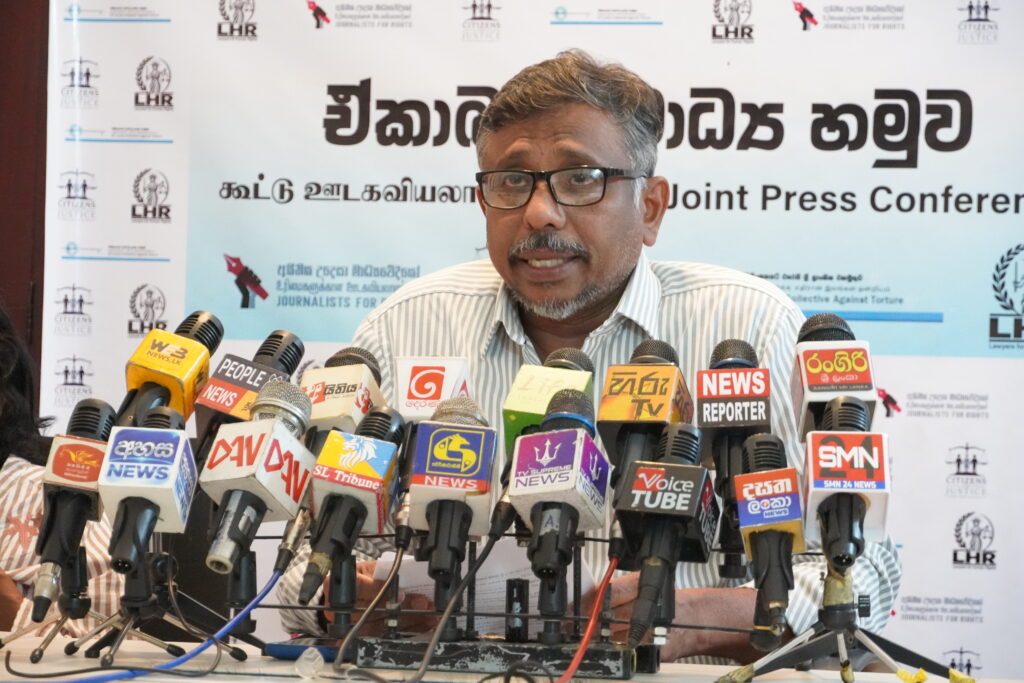
Mr. Philip Dissanayake
Philip Dissanayake, Convenor of the Sri Lankan Collective Against Torture, warned that these laws could restrict civil society activities and undermine fundamental freedoms. He called on the President to intervene, particularly regarding the proposed VSSO legislation and amendments to the Prevention of Organized Crime Act.
Dr. Nimalka Fernando highlighted the long history of human rights violations under the Prevention of Terrorism Act (PTA), arguing that new legislation should not reproduce similar provisions under different names. She stressed that such laws threaten personal liberty, freedom of expression and democracy.
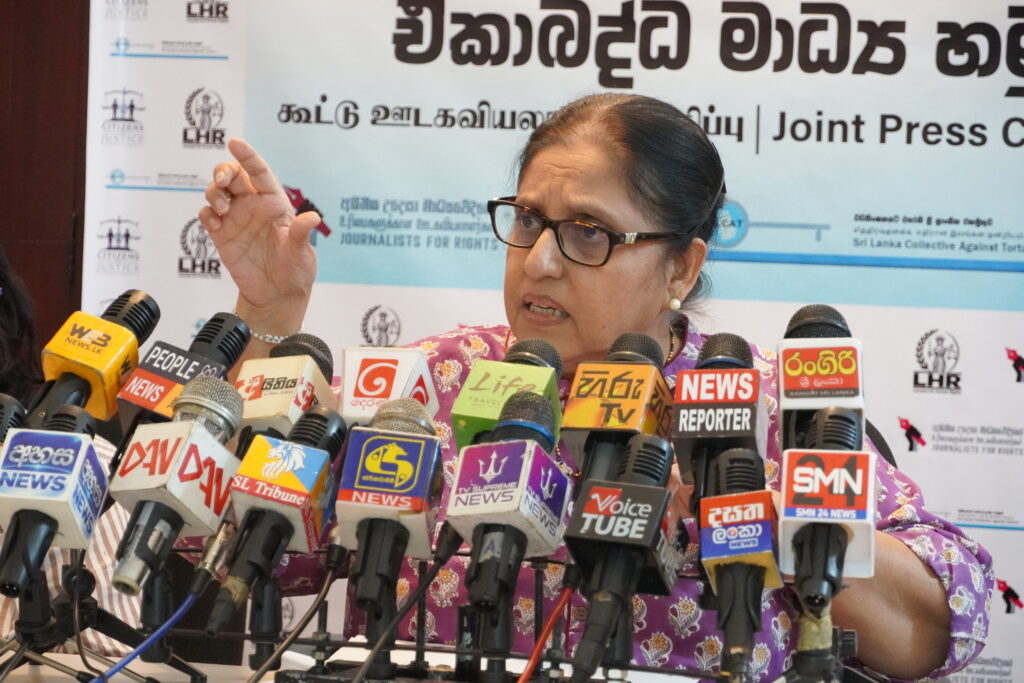
Dr. Nimalka Fernando
Journalist K. Sanjeewa warned that the proposed laws could undermine press freedom, investigative journalism and the right to information, potentially exposing journalists and their sources to intimidation and arbitrary action.
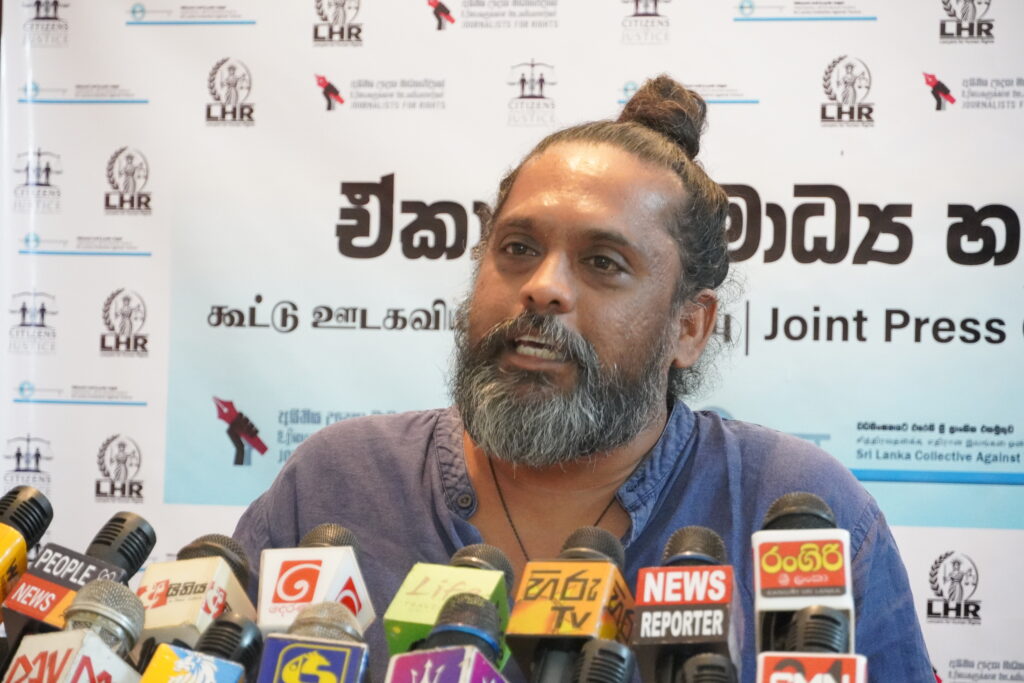
Journalist K. Sanjeewa
Prabodha Rathnayake AAL raised concerns about excessive powers granted to law enforcement authorities, restrictions on judicial oversight, arbitrary arrests and the risk of torture and prolonged detention. He also warned that these provisions could further aggravate prison overcrowding.
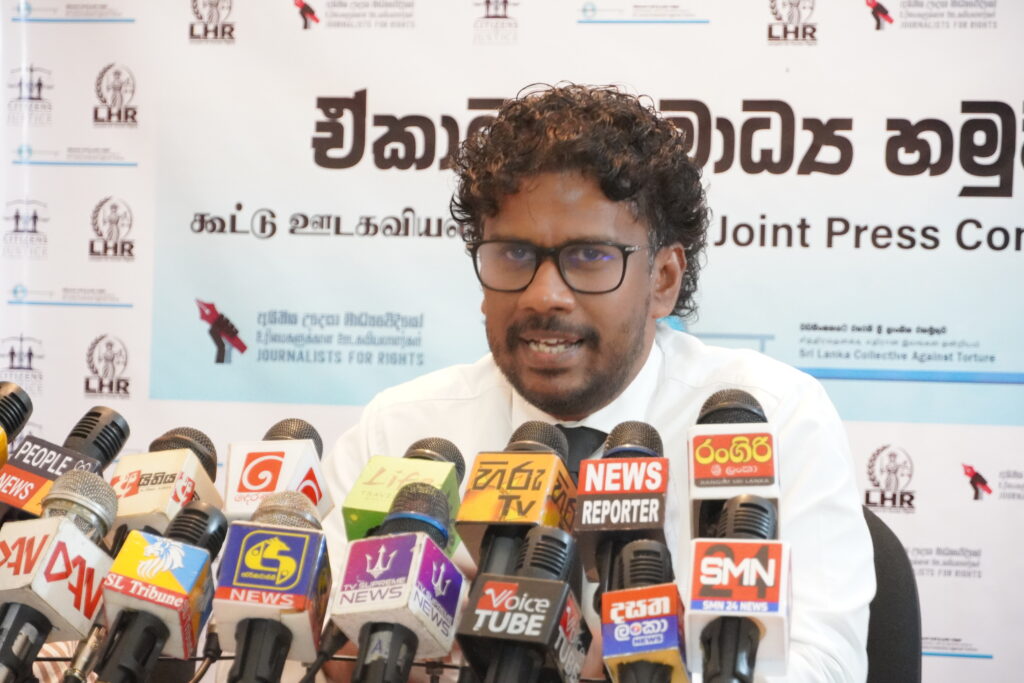
Prabodha Rathnayake AAL
Amitha Priyanthi, representing Citizens for Justice, shared her personal experience of losing her younger brother following unlawful detention. She emphasised the importance of judicial oversight and accountability in preventing custodial deaths and abuses of power.
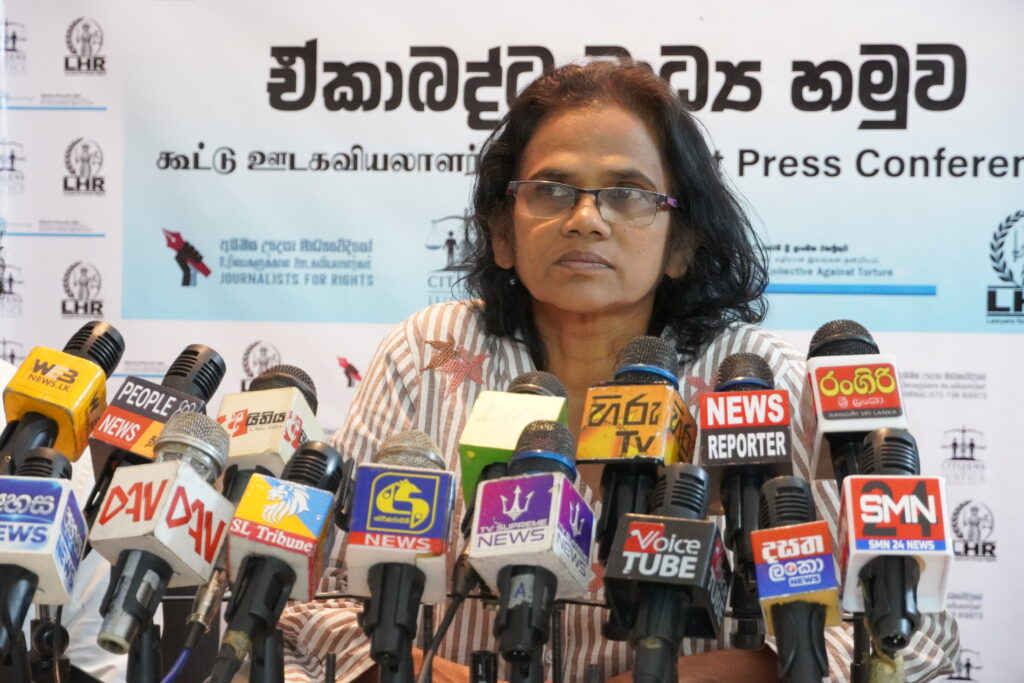
Mrs. Amitha Priyanthi
Gayathri Navaratne AAL stressed that existing provisions under the Penal Code are sufficient to prosecute criminals and that new legislation should not come at the expense of fundamental human rights. She warned that the proposed laws could grant excessive powers to the police, including allowing confessions made before police officers to be admitted as evidence. She also highlighted the potential impact on marginalised communities and women.
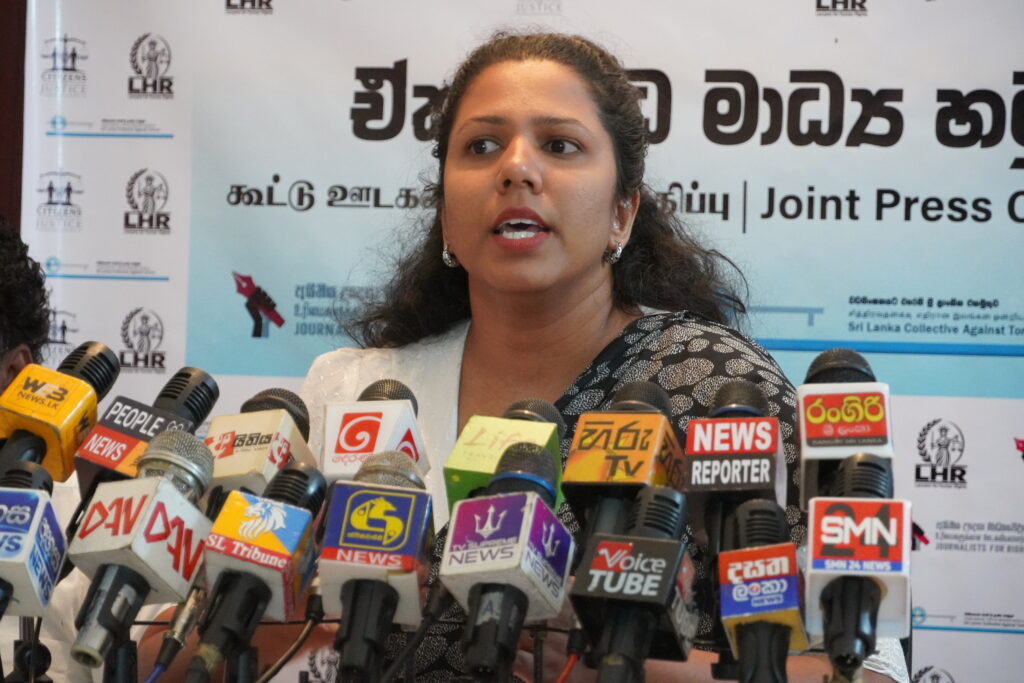
Gayathri Navaratne AAL
Dulan Dasanayake AAL questioned the government’s rationale for introducing the proposed legislation, noting that the government had initially come to power with 42 per cent of the vote before securing a two-thirds parliamentary majority. He argued that the government was now using public concerns over terrorism and organised crime to justify further restrictions on civil liberties.
He also pointed out that the government had appointed a committee of senior lawyers to review the Prevention of Terrorism Act and obtained a report containing recommendations. However, despite having those recommendations, the government had proceeded with the proposed PSTA Bill without adequately considering them.
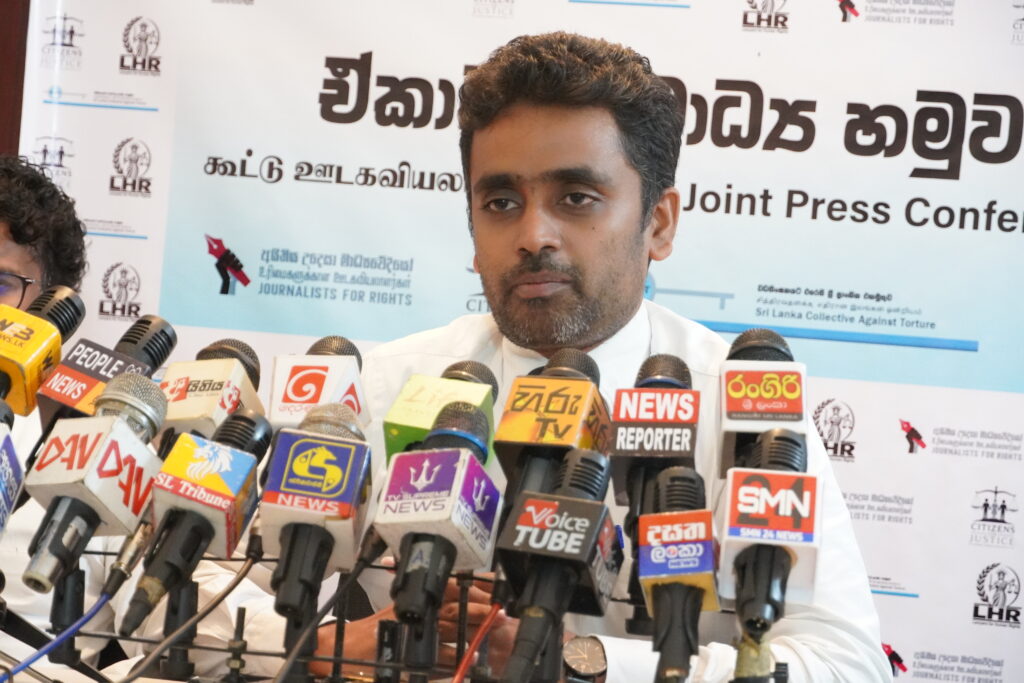
Dulan Dasanayake AAL
Dasanayake further highlighted the risk of arbitrary arrests under existing laws, citing instances where individuals detained under the PTA were subsequently released without being found guilty. He warned that if arrests were based on a person’s associations, appearance or clothing, a large number of people could become vulnerable to detention orders.
Concluding his remarks, he emphasised: “There is no terrorism in a society that upholds human rights.”
Pathmanathan Prashanthan, representing the Citizen for Justice, expressed concerns about the potential human rights violations, abuse of state powers, and threats to minority rights arising from the proposed PSTA and OCB Bills.
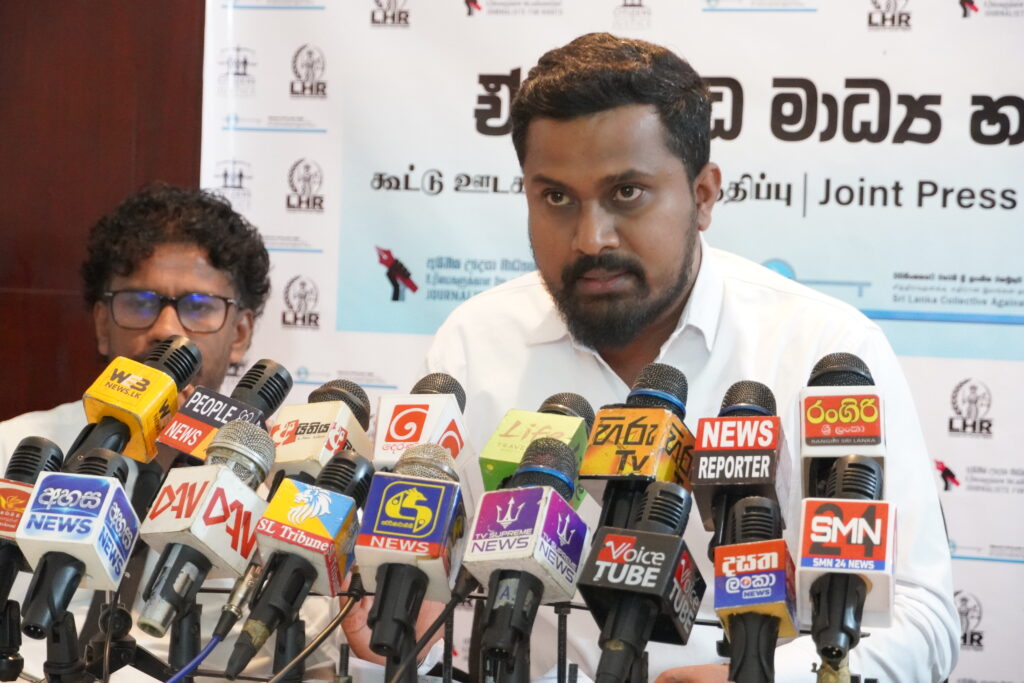
Mr. Pathmanathan Prashanthan
The speakers collectively called on the government to reconsider the proposed legislation and ensure that national security measures respect fundamental freedoms, democratic principles and the rule of law. They stressed that national security must be built on the protection of human rights rather than the expansion of repressive state powers.