COLOMBO, SRI LANKA
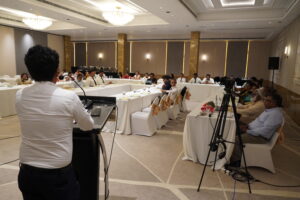
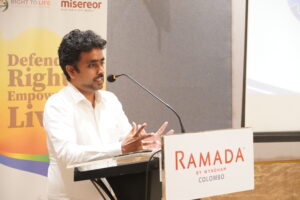
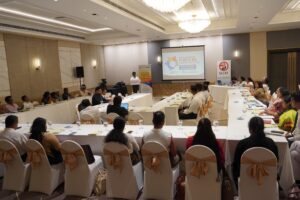
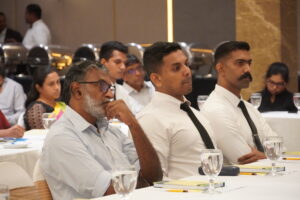
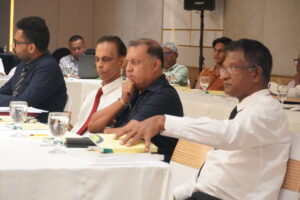
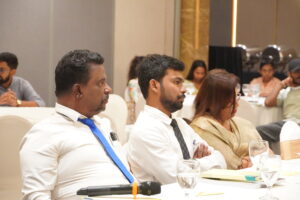
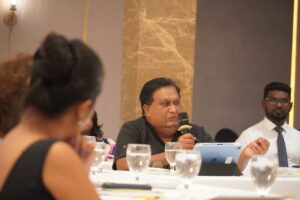
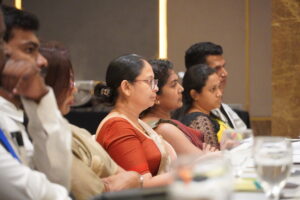
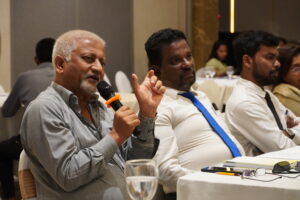
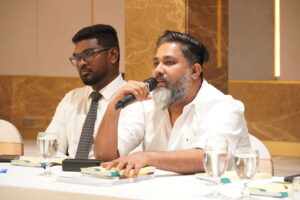
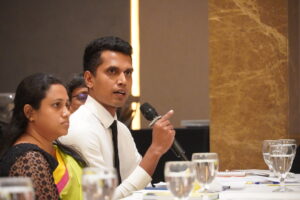
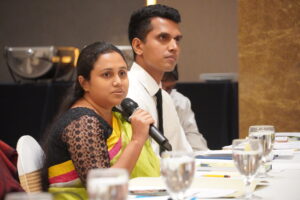
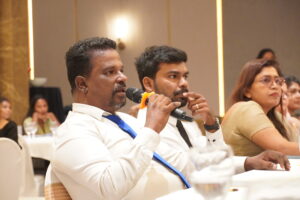
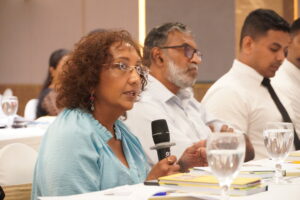
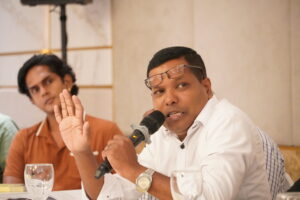
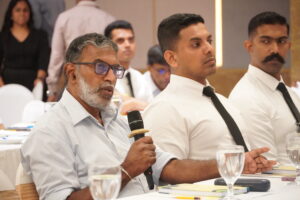
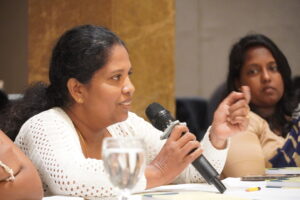
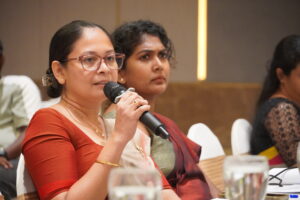
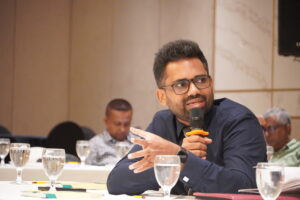
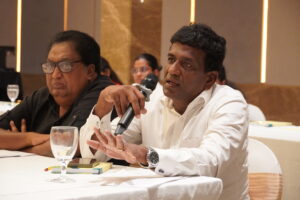
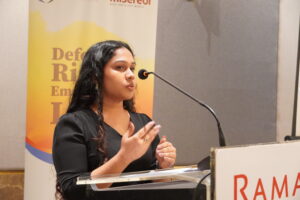
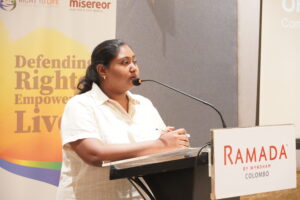
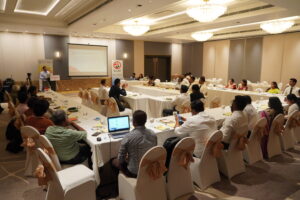
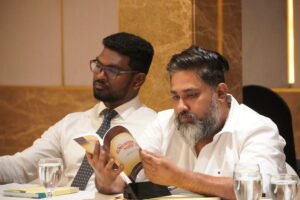
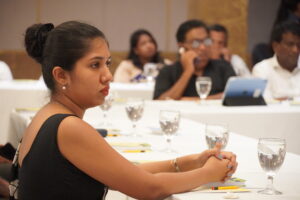
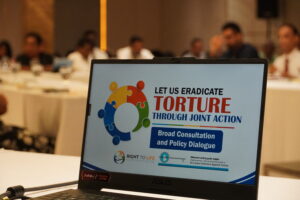
On July 2, 2026, the Right to Life (R2L) Human Rights Centre, in collaboration with the Sri Lanka Collective Against Torture (SLCAT), hosted a vital stakeholder consultation and policy dialogue at Hotel Ramada, Colombo. Held under the theme “The Urgency of Torture Eradication and Our Collective Responsibility,” the event brought together a diverse group of stakeholders to discuss practical, cross-sector solutions to end torture in Sri Lanka.
The Persistence of Torture and Misuse of Law
Opening the dialogue, Philip Dissanayake, Executive Director of R2L, stressed the necessity of collaborative action over assigning blame. He pointed out the stark contradiction between Sri Lanka’s robust legal framework—anchored by Article 11 of the Constitution and the Convention Against Torture Act No. 22 of 1994—and the enduring reality on the ground. According to recent data from the Human Rights Commission of Sri Lanka (HRCSL), approximately two incidents of torture are reported daily. Dissanayake noted that while Sri Lanka officially maintains a “zero-tolerance” policy on torture, the practice remains prevalent. He emphasized that R2L is currently developing Standard Operating Procedures (SOPs) with the support of the International Rehabilitation Council for Torture Victims (IRCT) to standardize the rehabilitation of torture victims.
Building on this, Attorney-at-Law Dulan Dassanayake, moderating the consultation, highlighted the weaponization of detention laws. He explained how Section 54 of the Poisons, Opium, and Dangerous Drugs Ordinance, along with the Prevention of Terrorism Act (PTA), are frequently misused to hold individuals in prolonged remand. Dassanayake advocated for replacing the PTA with democratic, rights-respecting legislation that also realistically considers the operational needs of state investigators.
Gaps in Medical Documentation
The dialogue shifted to the critical lack of infrastructure to document mental torture. Prof. Clifford Perera, Chair Professor of Forensic Medicine at the University of Ruhuna and Founding President of the Sri Lanka College of Legal Medicine, explained that while physical injuries are easily documented, recording mental trauma is an immense challenge. “A psychiatrist must collect thorough evidence before expressing an opinion, but our current legal and hospital structures are deeply short of capacity,” Prof. Perera noted. He highlighted that Sri Lanka currently has only three forensic psychiatrists, and this drastic shortage of specialists and Judicial Medical Officers (JMOs) severely hampers the medical documentation process essential for justice.
Judicial Loopholes and Witness Protection
Addressing these documentation challenges and the resulting judicial gaps, Retired Court of Appeal Judge W. A. Kaluarachchi, who serves as the Chairman of the Management Board of the National Authority for the Protection of Victims of Crimes and Witnesses in Sri Lanka, reminded stakeholders of the strict bounds of the 1994 Torture Act. He emphasized that the minimum mandated punishment for torture is seven years of rigorous imprisonment and that handing down suspended sentences for such crimes is illegal. Judge Kaluarachchi also pointed out a critical legal loophole: although mental torture is defined in the Act, there is currently no provision to seamlessly accept a medical officer’s or psychiatrist’s expert report on mental trauma as direct evidence, urging swift legislative amendments. Furthermore, he affirmed the legal necessity of privacy for survivors, quoting the statutory rights: “Under Article 28 (1) of the Assistance to and Protection of Victims of Crime and Witnesses Act, witnesses and victims have the right to privacy.”
The Need for Legislative and Behavioral Shifts
Adding to the call for immediate legislative reform, Prof. Rohan Samarajiva stressed that the PTA must be amended to make it more civilized. Pointing to the dire conditions of detention, he argued that “remanding is torture itself” due to severe overcrowding. Prof. Samarajiva strongly advocated for systemic solutions to reduce remanding, such as the implementation of home-remanding systems, as a crucial step in eradicating cruel and inhuman treatment.
Challenges in Law Enforcement
The consultation uniquely incorporated the perspectives of law enforcement. Former Senior Deputy Inspector General (DIG) Priyantha Jayakodi highlighted the systemic pressures placed on frontline officers. Heavy workloads, poor compensation, and a lack of modern technology frequently contribute to coercive investigation methods. To combat this, Jayakodi and other participants including journalist Bruno Diwakara proposed critical structural reforms, including enhancing scientific investigation training, investing in technological tools such as telecom analysis and body-worn cameras, and removing the responsibility of investigating police torture from the police department itself to ensure impartiality.
Safeguarding the Vulnerable
The discussion also focused on the immense psychological toll these systemic gaps take on survivors, particularly minors. Dr. Tush Wickramanayake, a prominent child rights advocate from Lama Hinsanayata Thitha (End Violence Against Children), brought crucial attention to the re-traumatization of minors during investigations. Pointing out that child victims are often forced to repeat their harrowing stories multiple times due to the underutilization of video evidence, she stressed the absolute need for strict media guidelines and empathy. Dr. Wickramanayake “stressed the paramount importance of safeguarding vulnerable victims—such as children, drug offenders, and the transgender community—from media exposure and re-traumatization,” citing recent instances where irresponsible media reporting necessitated legal complaints to protect victim identities.
Moving Forward
The consultation marked a significant step in fostering an open, non-adversarial discourse between state authorities and civil society. By listening to the challenges faced by investigators, medical officers, and victims alike, R2L and its partners are actively paving the way for comprehensive policy reform, accountability, and the total eradication of torture in Sri Lanka.
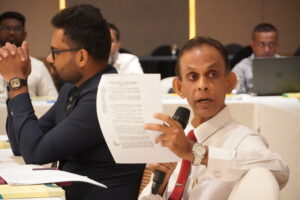
Reflecting the commitment to a genuinely multi-sectoral approach, the consultation successfully convened a highly diverse array of participants. The gathering included legal professionals, judges, and lawmakers; senior law enforcement and prison officials; specialized medical practitioners, including Judicial Medical Officers (JMOs) and psychiatric nursing officers; representatives from the Police Department, Human Rights Commission of Sri Lanka, the National Police Commission, the Legal Aid Commission, and the Dangerous Drugs Control Board; alongside officials from the Probation and Social Services departments, civil society organization (CSO) leaders, human rights defenders, journalists, and survivors of torture.