
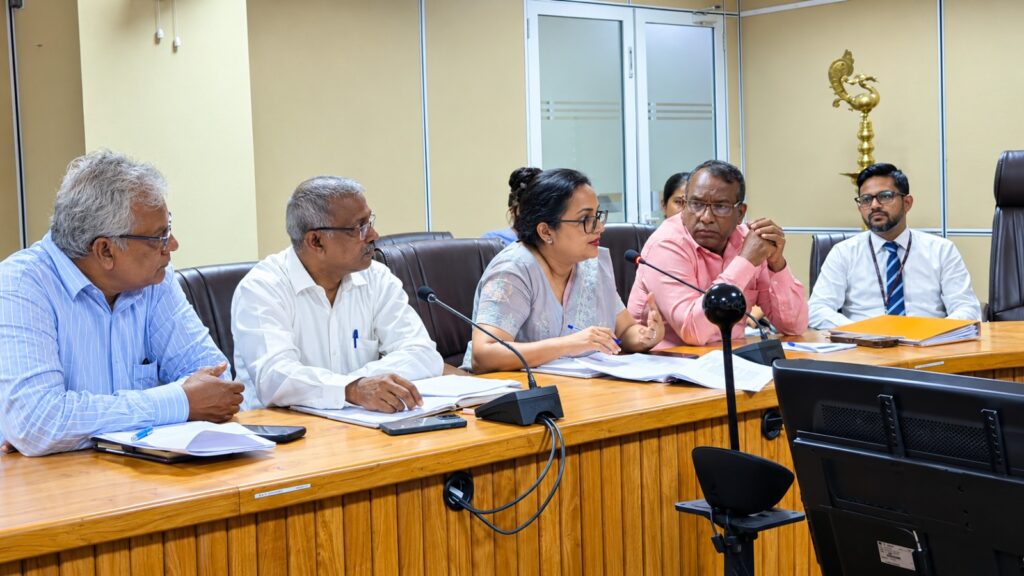
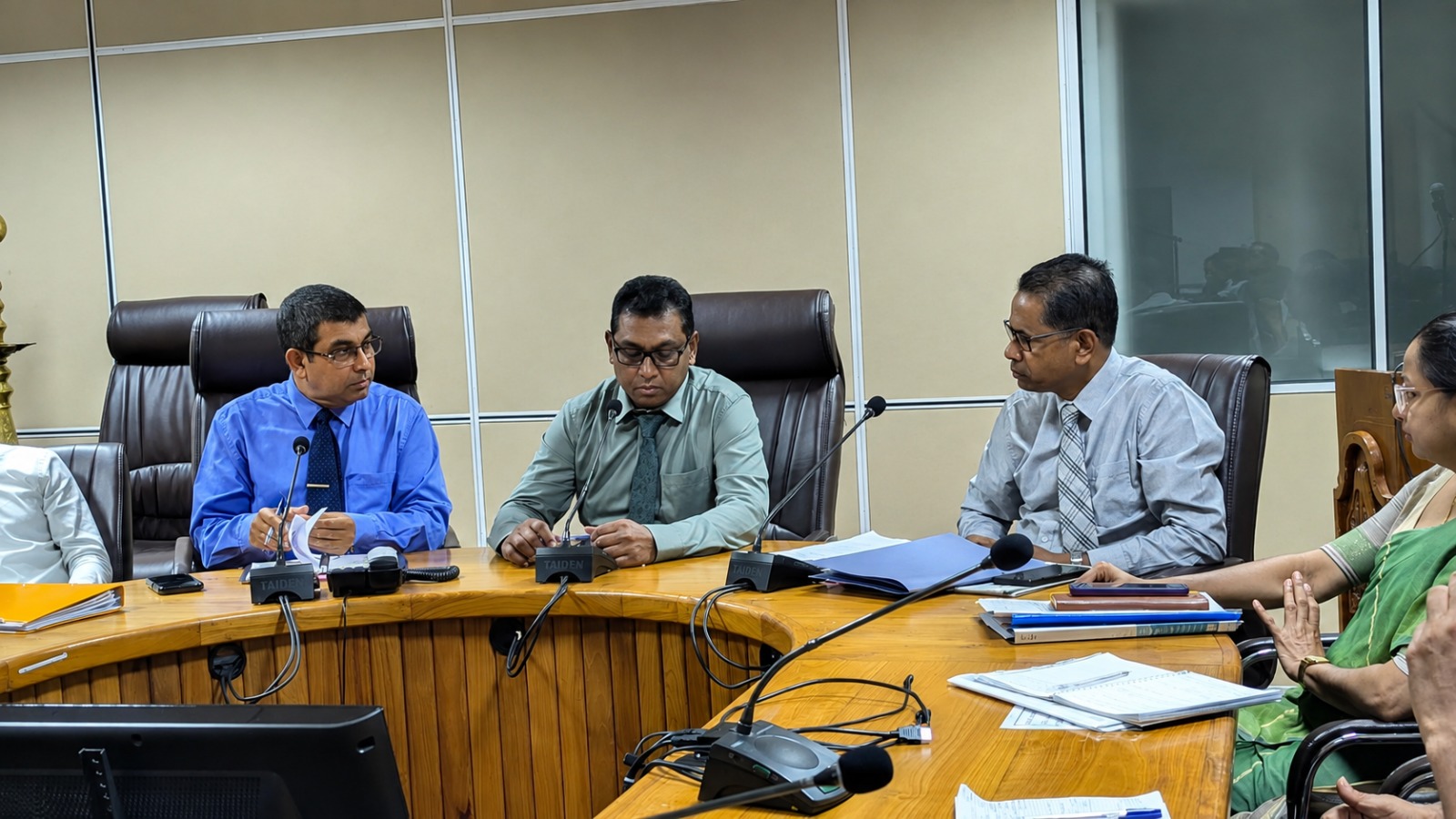
The Government has agreed to suspend the planned submission of the ‘New Bill on Registration and Supervision of Non-Governmental Organizations’ to Parliament. The decision follows a successful meeting held on 31 August at the Sethsiripaya Ministry Auditorium between the Minister of Rural Development, Social Protection, and Community Empowerment, Dr Upali Pannilage, and representatives of the National Collective of Civil and Non-Governmental Organizations.
During the discussion, the collective presented written proposals and outlined several critical concerns regarding the proposed legislation:
- Lack of Consultation: Civil society representatives emphasized that the new draft was prepared without seeking their input, marking a significant flaw in the process.
- Excessive Centralized Power: A major objection was raised against the proposed creation of a ‘Competent Authority’—an official appointed by, and accountable solely to, the subject Minister. The draft granted this authority sweeping powers to act without court orders, posing a severe threat to independent civil society operations.
- Threats to Fundamental Rights: While recognizing the State’s mandate to regulate NGOs, the delegation stressed that such regulations must respect democratic freedoms and constitutional rights, including the freedom of assembly and association, which certain clauses in the draft directly jeopardized.
In response to the collective’s advocacy, the Minister, Dr Pannilage, acknowledged the deficiencies within the current draft. He confirmed that the bill will not be presented to Parliament in October, as initially scheduled. Instead, the Government intends to draft a new bill that incorporates the proposals submitted by the civil society collective. To facilitate this, the Minister suggested appointing a representative committee from civil society to assist in the drafting process.
Furthermore, the Minister clarified that the administration has no intention of suppressing or controlling civil society organizations. He noted that under the National People’s Power (NPP) policy framework, the Government plans to implement reforms across the public, private, and non-governmental sectors, which includes updating outdated legislation such as the Voluntary Social Service Organizations Act of 1980.
As an active member of this coalition, the Right to Life Human Rights Centre (R2L) joined fellow civil society representatives in advocating for the protection of civic space and the freedom of association. R2L remains committed to standing alongside the broader civil society network to ensure that any future regulatory framework upholds democratic freedoms and protects the essential independence of human rights organizations in Sri Lanka.