
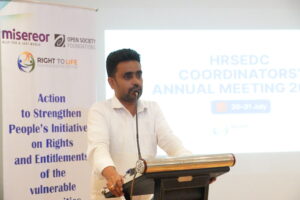
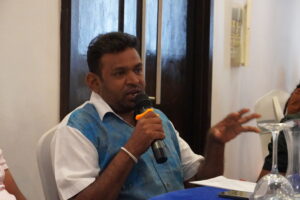
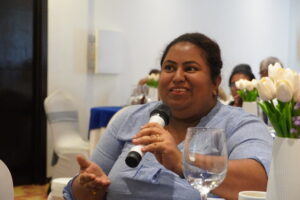
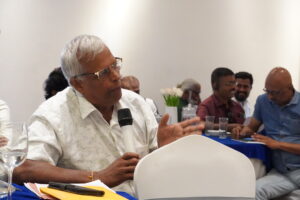
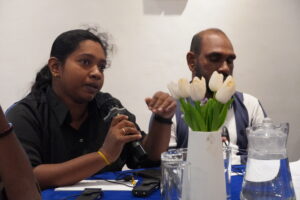
On July 30, 2026, the Right to Life Human Rights Centre convened a high-level consultation with Human Rights First Aid Centre (HRFAC) coordinators to guide the development of Standard Operating Procedures (SOPs) for the management of torture cases. Moderated by Attorney-at-Law Dulan Dassanayake, the session provided a vital platform for first responders across Sri Lanka to exchange field insights and establish evidence-based best practices for victim protection and access to justice.
The consultation addressed several critical operational areas in frontline human rights defense:
Navigating First Responder Challenges
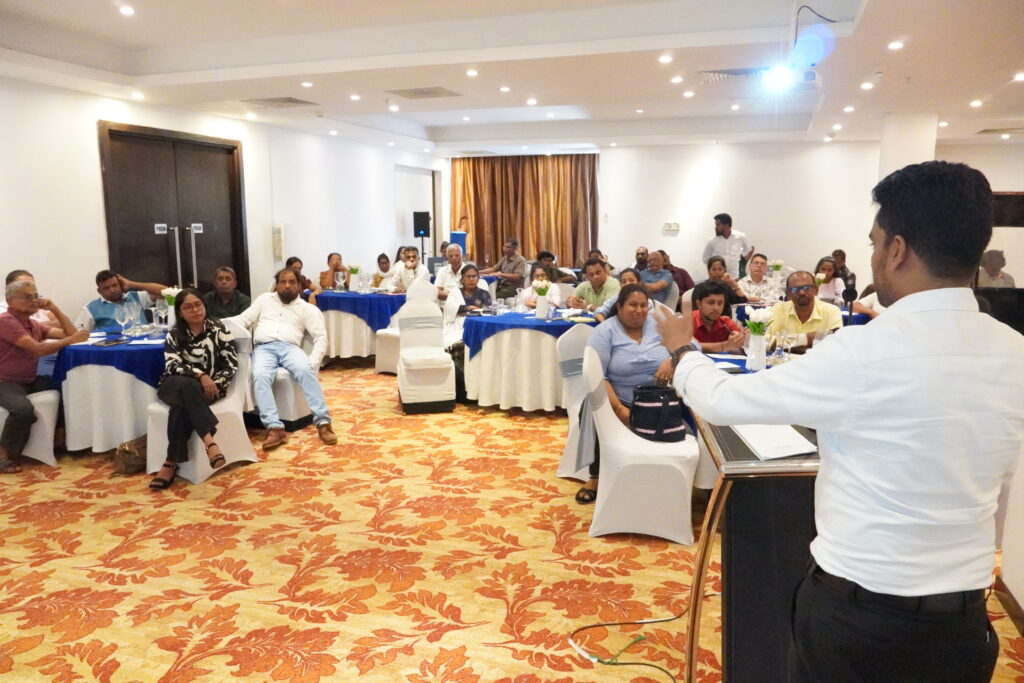
Coordinators emphasized that establishing trust is paramount, as victims seeking immediate redress may otherwise withhold information, exaggerate, or provide incomplete accounts out of fear or urgency.
Securing verifiable evidence remains a top priority. First responders highlighted the critical need to meticulously obtain affidavits, medical reports, Bed Head Tickets (BHT) from hospitals, and digital evidence such as CCTV footage.
Participants identified severe systemic bottlenecks, noting instances where law enforcement fabricates charges—such as those under Section 54 of the Poisons, Opium, and Dangerous Drugs Ordinance—and utilizes remand to obscure acts of torture.
To mitigate these abuses, Human Rights Defenders (HRDs) proactively coordinate with the Human Rights Commission of Sri Lanka (HRCSL) and Prison Superintendents to facilitate the examination and hospitalization of remandees.
Safeguarding Vulnerable and Marginalized Communities
The assembly recognized that women, children, persons with disabilities, and the LGBT community face compounding vulnerabilities and require specialized, intersectional procedures to prevent double victimization.
Coordinators underscored the necessity of using appropriate terminology, accommodating specific needs, and ensuring victims are supported by gender-appropriate HRDs when documenting sensitive physical and psychological injuries.
Extending support frameworks to the dependents of victims—with a specific focus on the education and physical safety of children—was identified as an indispensable component of a holistic response.
Integrating Psychosocial Support and the Istanbul Protocol
Participants reached a consensus that the psychological trauma inflicted by torture frequently supersedes the physical injuries in its severity and long-term impact.
Discussions underscored the critical framework of the Istanbul Protocol, which mandates the comprehensive evaluation of psychological trauma and advocates for examinations by forensic psychiatrists.
First responders outlined their ongoing efforts to facilitate psychosocial support, actively directing victims to professional counseling services to mitigate acute distress and psychological shock.
Upholding Media Ethics and the “Do No Harm” Principle
A focal point of the dialogue was mitigating the risk of re-traumatization and double victimization caused by unethical media reporting.
While acknowledging that strategic media exposure can catalyze authoritative action, coordinators cautioned against the risks of digital permanence and the potential for online manipulation of victim testimonies.
The consultation strictly reinforced a “victim-first” and “Do No Harm” policy. HRDs are required to rigorously assess the risks of media exposure, secure informed and signed consent, and unconditionally respect a victim’s right to withdraw that consent at any time.
Institutional Collaboration and the Way Forward
To ensure sustained victim security, coordinators resolved to maintain continuous engagement through dedicated hotlines and to fortify institutional networks with state mechanisms, including the HRCSL and the Sri Lanka Police Children and Women Bureau. The strategic insights gathered during this dialogue will serve as the foundational framework for R2L’s forthcoming SOPs, ensuring the guidelines are firmly anchored in the operational realities of Sri Lanka’s human rights defenders.
The consultation featured the active participation of HRFAC coordinators representing a broad geographic scope, including Jaffna, Mannar, Batticaloa, Kantale, Trincomalee, Anuradhapura, Anamaduwa, Kurunegala, Kegalle, Gampaha, Colombo, Hatton, Badulla, Monaragala, Hambanthota, Deniyaya, Matara, Galle, Imaduwa, and Kahatagasdigiliya.
The development of these Standard Operating Procedures is proudly supported by the International Rehabilitation Council for Torture Victims (IRCT).